A non-profit horse rescue in Southern Vermont
Thank you for your interest in adopting a rescue horse from DER! Our goal is to find our available horses a loving, safe and compatible home.
Thank you for considering giving a rescue horse a second chance. We are committed to ensuring the well-being of our horses and strive to make the best possible match between each horse and its adopter.
To begin the adoption process, please download and complete our Adoption Application. Submit the completed application by either scanning and emailing it to us or mailing it to our address. Applications are reviewed on a first-come, first-served basis. Please include photographs of your barn, run-in shed or stalls, fencing, and turnout areas with your submission.
Step 1: Application Review
Once your application is received, we will contact you to discuss your submission in greater detail, including your interest in a specific horse, any other potential matches within our program and your goals for the horse. Compatibility between the horse and adopter is our top priority.
Step 2: Meet the Horse
If a horse appears to be a good fit, we will arrange a time for you to visit and meet the horse. This step allows both parties to evaluate the match in person.
Step 3: Reference Checks
Should the match proceed, we will verify the references you provide, including your veterinarian and farrier. Please inform them in advance and provide permission for them to share relevant information with us.
Step 4: Farm Visit
A member of our team will schedule a visit to your farm or boarding facility to assess the environment where the horse will be kept.
Step 5: Final Approval
Upon approval, you will sign our Adoption Contract formally completing the process. Please note that we reserve the right to deny any application at our discretion. If an application is denied, we will provide notification by email or mail.
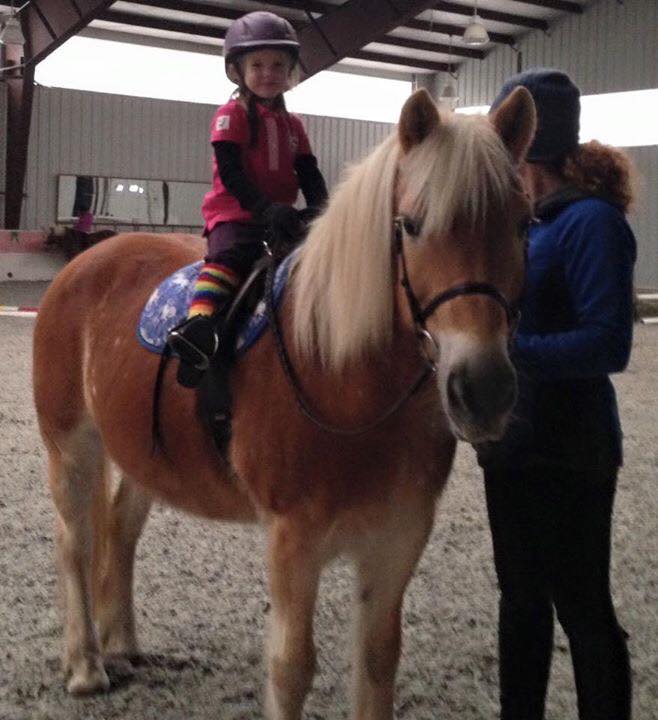
Commitment to the Horse:
Our adoption process is designed to safeguard the horses in our care. If circumstances arise that prevent you from continuing to care for an adopted horse, you must notify us immediately. We will assist in rehoming the horse through our pre-approved adoption network or arrange for its return to us. Please be aware that space in our shelter is limited, and returning a horse may sometimes require waiting for an opening.
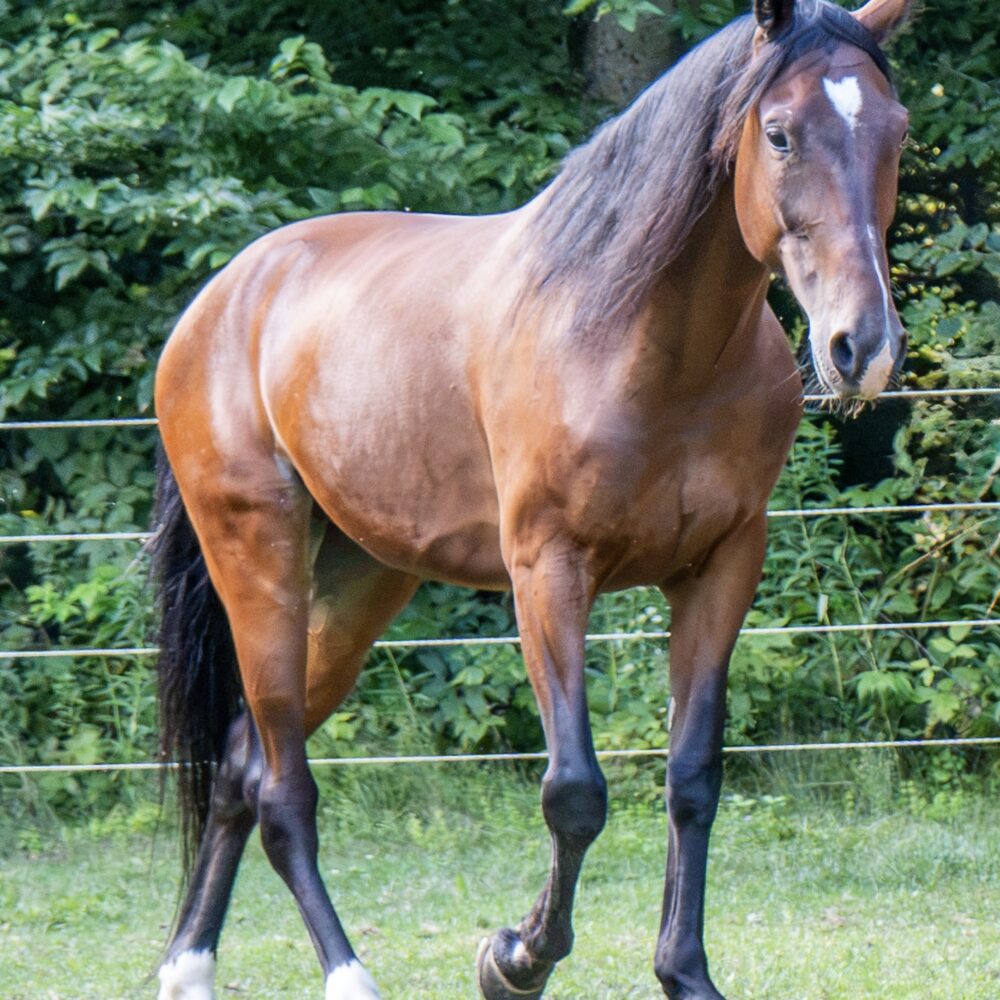
Prohibited Transfers:
Adopted horses may not be sold, given away, or transferred without prior approval through our adoption program. We reserve the right to conduct welfare visits throughout the horse’s life.
Adoption Fees:
Adoption fees contribute directly to the care and support of our horses. Each horse is adopted with current negative Coggins, up-to-date vaccinations, and routine dental and farrier care. Requests for fee discounts will not be considered.
Adopting Special-Needs Horses:
Many of our horses come from unknown or challenging backgrounds and may require experienced handlers. Trust-building can take time, and certain behaviors may persist. While most horses thrive in a loving home, we strongly encourage adopters to consider their experience level and time commitment when selecting a horse.
Thank you for your interest in adopting a rescue horse. Your compassion and dedication make a world of difference in their lives. We look forward to working with you to create a lasting partnership with one of our horses.
The slaughter of horses is overwhelmingly opposed by the American public. Horses are widely regarded as companion animals, similar to cats and dogs, and hold a unique place in American culture as loyal partners in work, sport, and companionship. Despite the cessation of horse slaughter within the United States, thousands of American horses endure immense suffering during transport and slaughter outside our borders, primarily in Mexico and Canada.
In 2024, over 19,000 American horses were transported to slaughter facilities in Mexico and Canada. Most of these horses are acquired by “kill buyers”—individuals who purchase horses at auctions to supply slaughterhouses. Contrary to common misconceptions, the majority of these horses are not old or infirm. USDA statistics indicate that 92.3% of horses sent to slaughter are in good condition, meaning they are sound and healthy.
The meat from these horses is primarily exported for human consumption overseas, with countries such as France, Belgium, Switzerland, Italy, Japan, and Mexico being the largest markets. A smaller portion is utilized in zoos and wildlife parks.
This ongoing practice underscores the urgent need for increased awareness and legislative action to protect these noble animals from unnecessary suffering and exploitation.
Copyright © 2025 The Dorset Equine Rescue